
There’s a way of teaching that makes kids want to keep going.
Inquire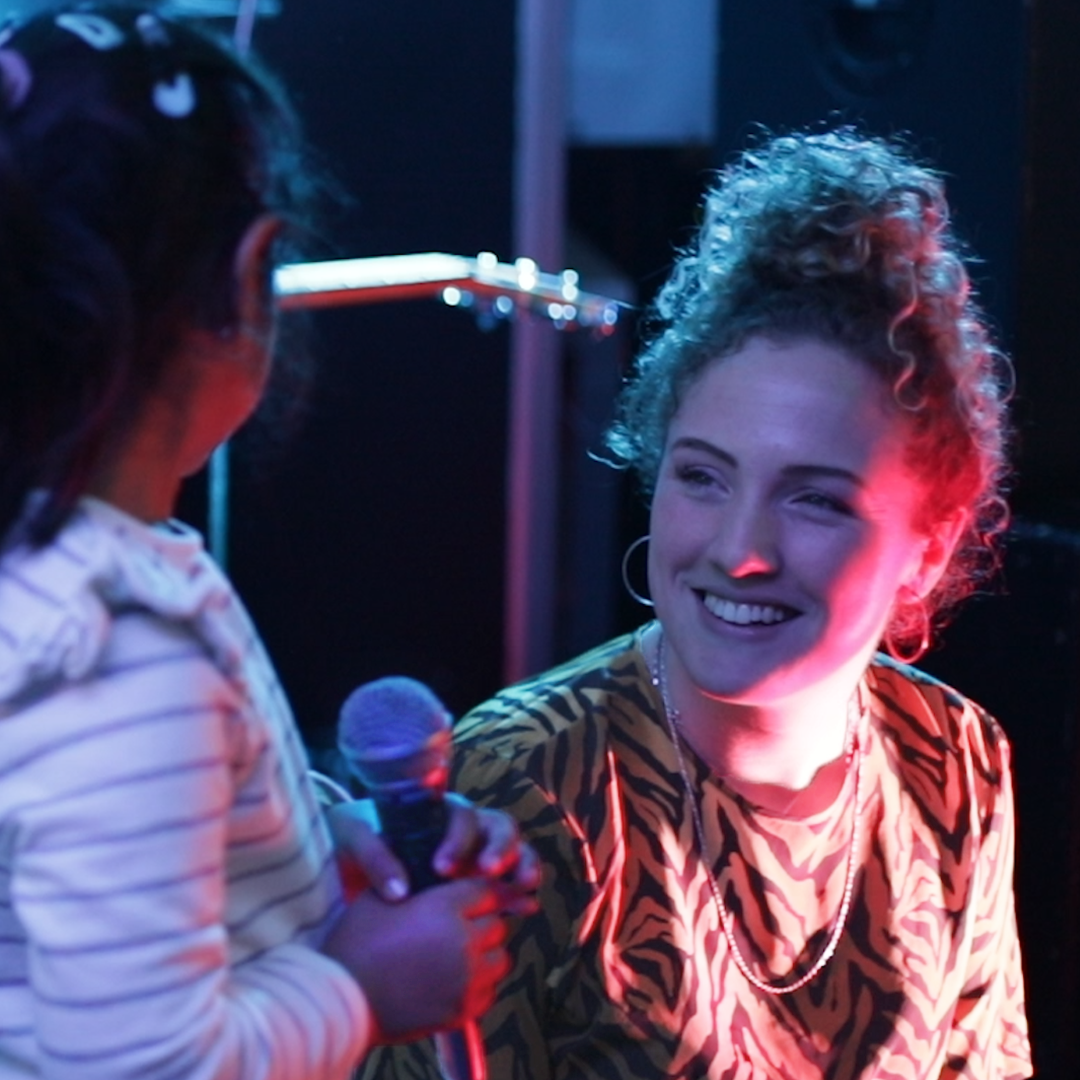
Our approach
The Home Note Method combines musical training with an understanding of how children learn and become motivated.
Informed by positive psychology and learning research, it helps teachers build skill, guide practice, and develop independence.
Where Suzuki asks parents to guide practice, our teachers hold the structure.
Your teacher guides the work.
Your child takes ownership of practice.
You listen, encourage, and enjoy the music.
How it works
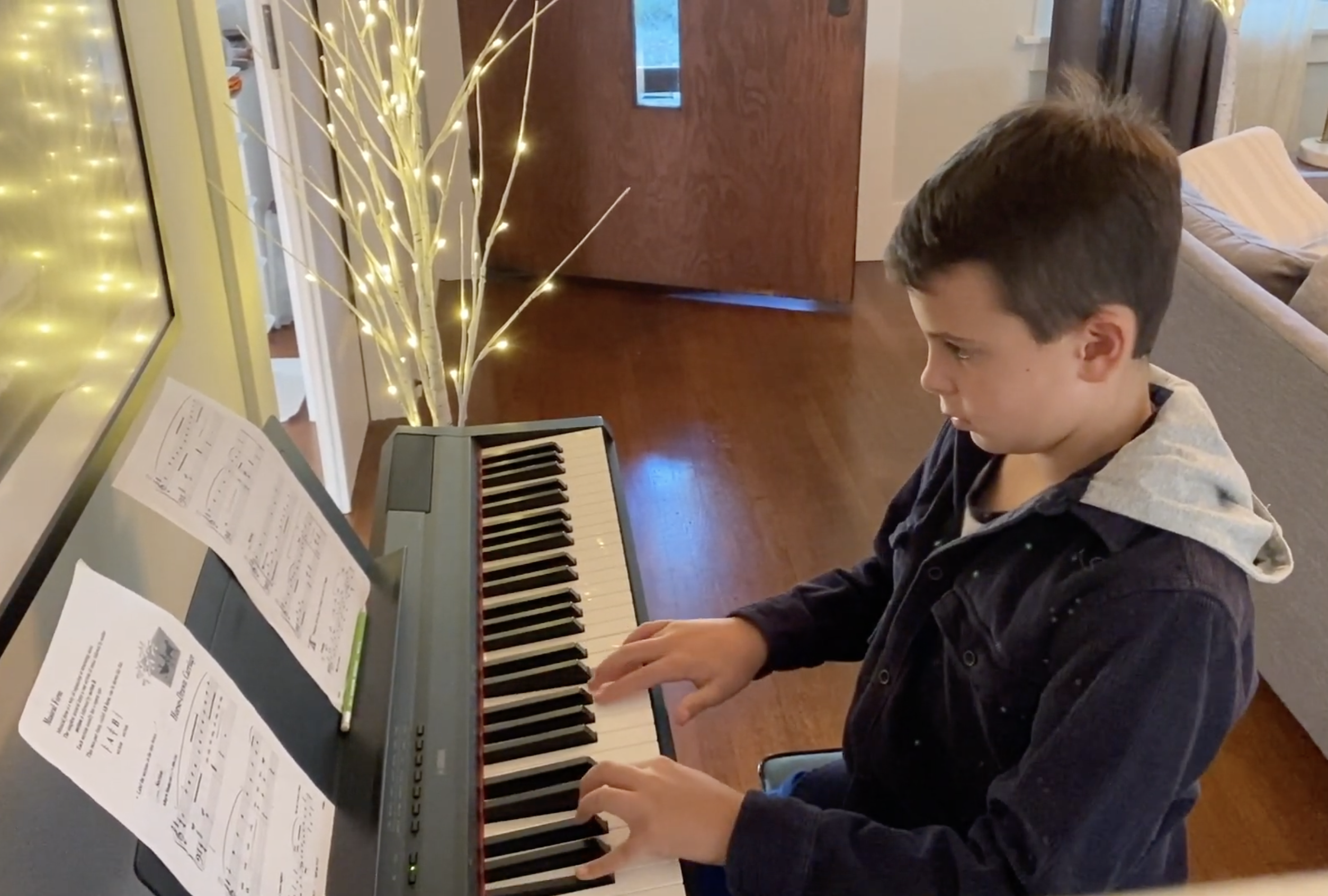
Start with a song your child wants to play. Their teacher finds the skills and a manageable first step.
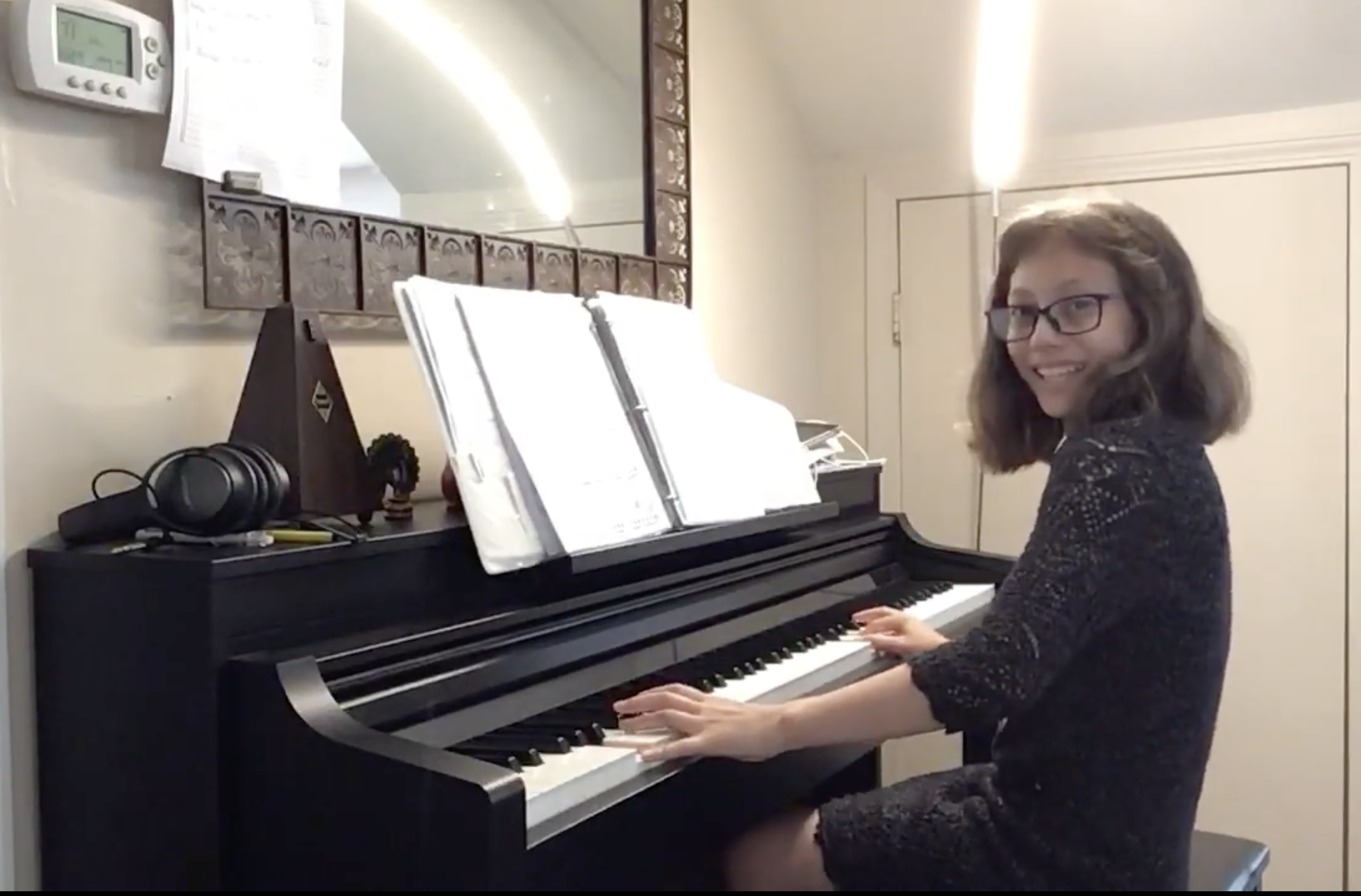
Try different strategies, listen for progress, and make a plan for practice.

At the next lesson, review what worked and adjust.
Each lesson builds skill and greater independence.
InquireA shared method. Teachers who know your child.
Teachers are trained in the method, with shared lesson planning, practice guidance, and progress review.
We review learning and practice to support teachers and adjust the approach.
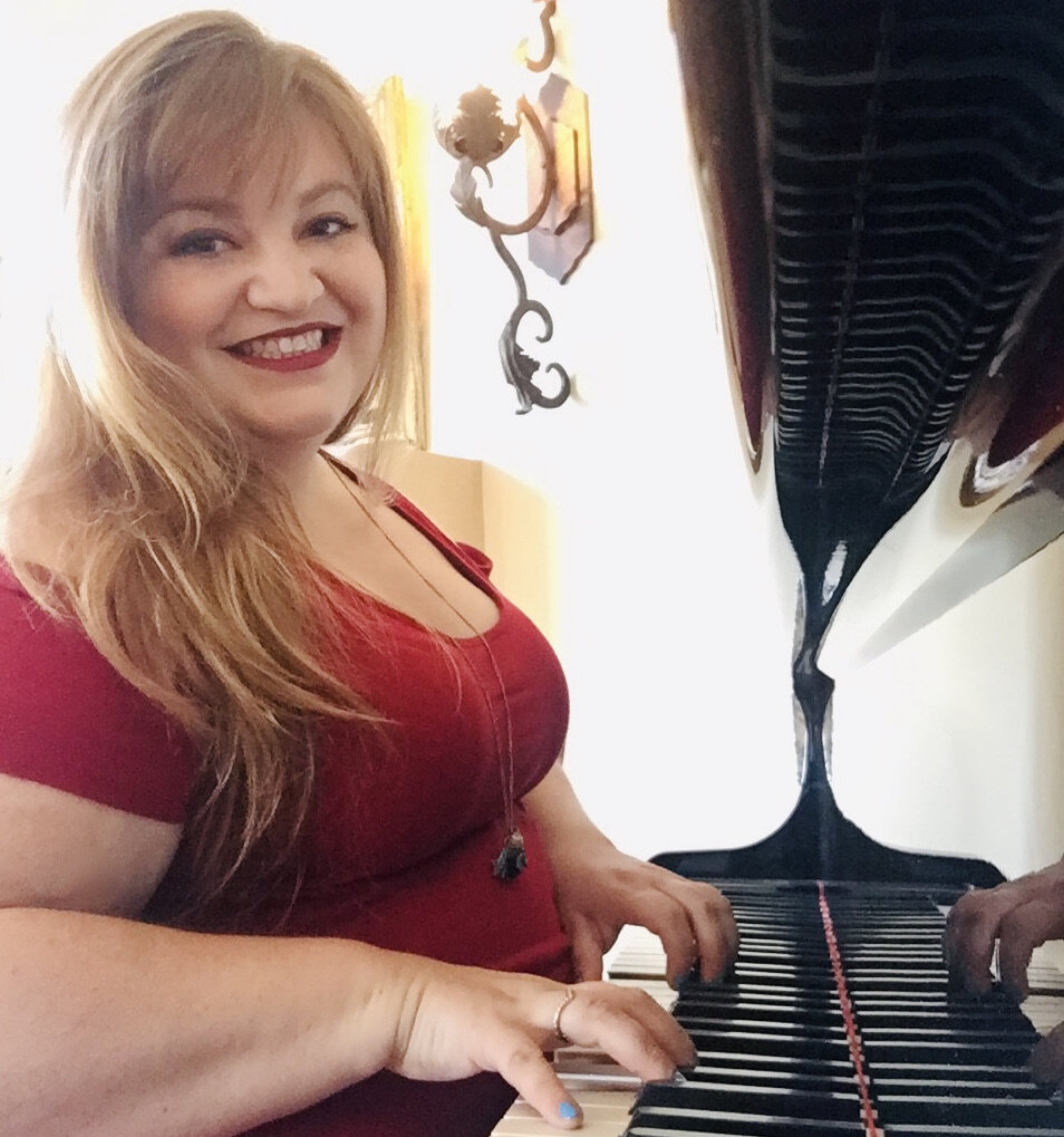
Developed by conservatory-trained educator Raquel Sandler through fifteen years of teaching and close work with families, the method brings that experience into every teacher’s work.
InquireInquire“…both of them have improved not only in piano skills but also in musical expression.”
— Cindy, parent of two piano students
A life with music
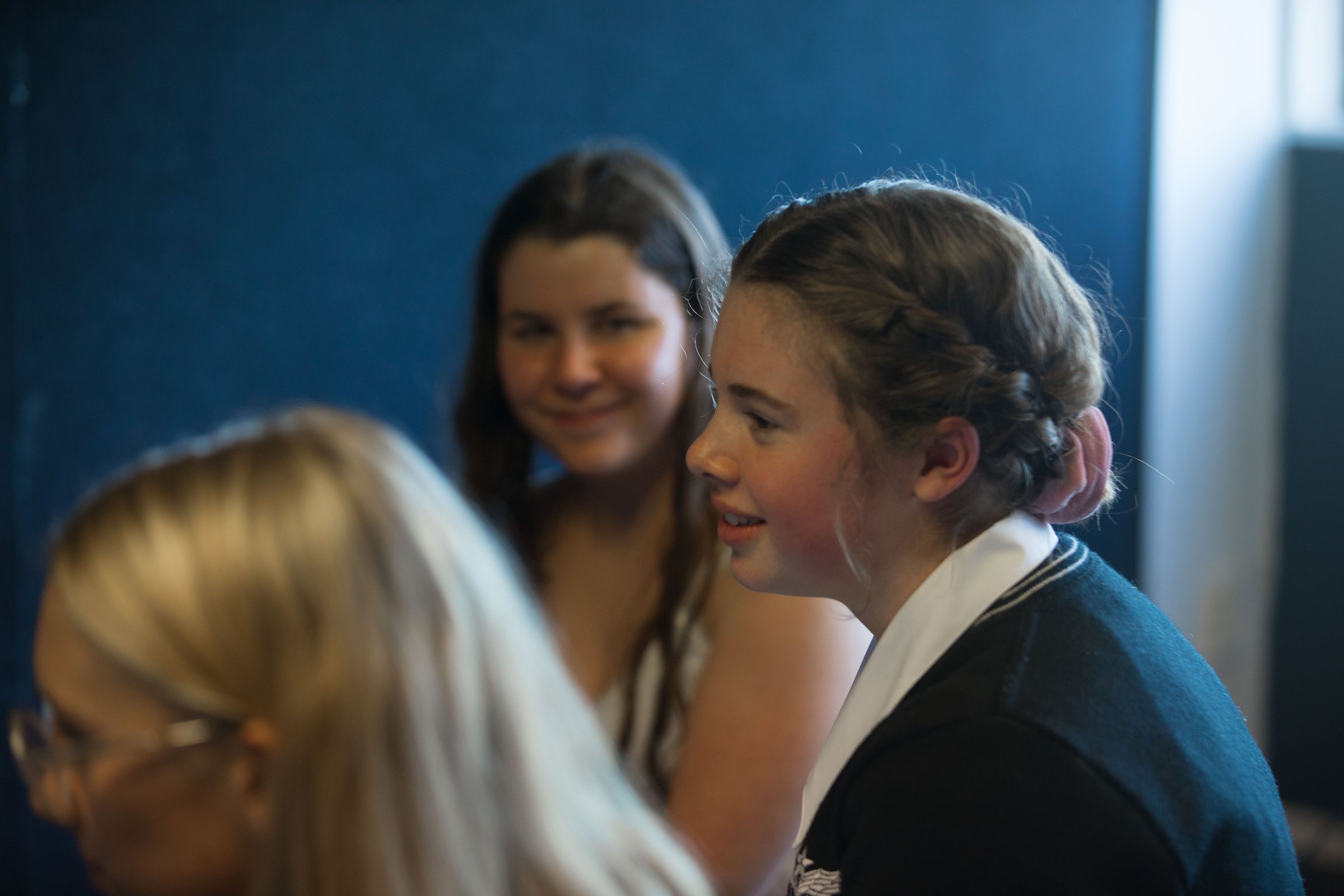
Music is meant to be shared.
Short salons bring students and families together to play, listen, and celebrate progress.
Bigger stages await when they’re ready.
InquireAdults are welcome, beginning or returning.